
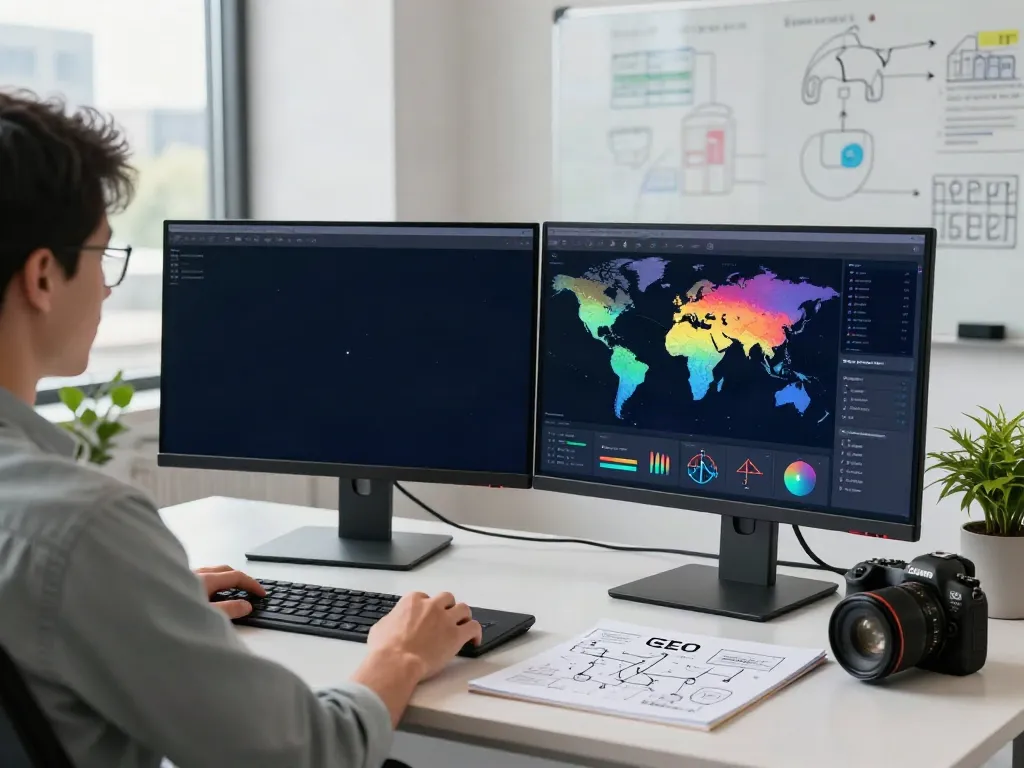
Understanding GEO Tracking Tools: The Basics
In today's rapidly evolving technological landscape, GEO tracking tools have emerged as essential assets for businesses looking to enhance their operational effectiveness and market reach. These tools enable companies to monitor their geographic visibility, analyze user behavior, and optimize their services accordingly. With a surge in mobile technology and the growing reliance on data-driven decisions, the importance of reliable GEO tracking tools cannot be overstated. When exploring options, GEO tracking tool solutions offer comprehensive insights into localized performance and customer engagement.
What is a GEO Tracking Tool?
A GEO tracking tool is a software application designed to monitor the geographic location of users, assets, or services in real-time. Businesses primarily utilize these tools for market analysis, customer engagement, and operational efficiency. The versatility of GEO tracking is evident in various contexts, from managing fleet operations to enhancing location-based marketing strategies. By leveraging satellite technology and GPS data, these tools can provide precise location information, enabling businesses to make informed decisions that align with geographic trends.
Key Features of GEO Tracking Tools
Several features are commonly found in GEO tracking tools that enhance their functionality and user experience:
- Real-Time Location Tracking: Provides instant updates on the whereabouts of vehicles, assets, or users.
- Geofencing: Allows businesses to set up virtual boundaries and receive alerts when users enter or exit designated areas.
- Data Analytics: Offers insights into user behavior and preferences, enabling targeted marketing efforts.
- Customized Reporting: Generates reports on performance metrics, helping businesses assess their operational efficiency.
- Integration Capabilities: Seamlessly connects with other software and platforms to optimize workflows.
How GEO Tracking Tools Work
GEO tracking tools operate using a combination of GPS technology, mobile network data, and advanced algorithms to collect and analyze location information. Devices equipped with GPS chips send continuous signals to satellites, which triangulate their position and relay that data back to the tracking system. This information is then processed to provide real-time updates, analytics, and actionable insights relevant to the specific organizational needs.
The Evolution of GEO Tracking Tools by 2026
The landscape of GEO tracking tools has experienced significant transformation over the past few years. With innovations in technology and a growing emphasis on data analytics, businesses are better equipped to utilize these tools efficiently. By 2026, GEO tracking tools will likely incorporate even more advanced functionalities, making them indispensable to various industries.
Technological Advancements in GEO Tracking
Technological advancements play a crucial role in the evolution of GEO tracking tools. The integration of Artificial Intelligence (AI) and Machine Learning (ML) has enhanced data processing speeds and accuracy. Enhanced algorithms can analyze vast datasets to predict trends and user behavior, thereby providing businesses with a competitive edge in decision-making. Additionally, improvements in mobile technology ensure that tracking is accessible and user-friendly across various devices.
Impact of AI and Machine Learning on GEO Tracking
The application of AI and ML in GEO tracking extends far beyond mere location monitoring. These technologies enable deeper insights into consumer behavior and preferences by analyzing location-based data patterns. Organizations can create personalized marketing strategies based on predicted user actions, resulting in higher conversion rates and improved customer satisfaction.
Case Studies: Success Stories from 2026
Several industries have reaped the benefits of advanced GEO tracking tools. For instance, retail companies have utilized these tools to optimize their store locations based on foot traffic analysis, leading to increased sales in targeted areas. Similarly, logistics firms have improved delivery efficiencies by employing geofencing technology to monitor route adherence and minimize delays.
Challenges in Implementing GEO Tracking Tools
While the advantages of GEO tracking tools are significant, companies must navigate various challenges during implementation. Understanding these issues is critical to maximizing the benefits of these technologies.
Common Misconceptions about GEO Tracking
Misconceptions about GEO tracking tools often lead to hesitancy in their adoption. For instance, some believe that all tracking efforts infringe on user privacy, while others think the technology is only relevant for certain industries. In reality, with appropriate user consent and transparent data usage policies, GEO tracking tools can provide significant value across diverse sectors without compromising privacy.
Overcoming Data Privacy Concerns
Data privacy is a paramount concern for both businesses and consumers. To alleviate these fears, organizations must ensure compliance with regulations such as GDPR and CCPA and adopt robust data protection measures. Transparency in how collected data is used and providing users with control over their information can foster trust and encourage more extensive use of GEO tracking tools.
Technical Obstacles in Integration
Integrating GEO tracking tools with existing systems can pose challenges, particularly in organizations with outdated technology. Effective integration requires a thorough assessment of current infrastructure and possibly the need for upgrades. Investing in compatible solutions that can seamlessly connect with other platforms will be necessary for optimal functionality.
Best Practices for Using GEO Tracking Tools Effectively
To harness the power of GEO tracking tools fully, businesses should adopt best practices that maximize their effectiveness and reliability.
Top Strategies for Data Analysis
Employing structured data analysis strategies is critical for extracting meaningful insights from GEO tracking data. Companies should focus on defining clear objectives for their tracking initiatives and utilize data visualization tools to interpret complex data sets effectively. Moreover, regularly updating analysis parameters based on changing market conditions ensures continual improvement in data-driven strategies.
Enhancing User Experience with GEO Tracking
Enhancing the user experience is vital for businesses utilizing GEO tracking tools. Companies should strive to provide value by offering personalized services based on location data, such as targeted promotions and location-specific content. A user-friendly interface that allows easy access to tracking features also contributes significantly to overall satisfaction.
Regular Maintenance and Updates: Why They Matter
Regular maintenance and updates are crucial to the sustained functionality of GEO tracking tools. Businesses should schedule routine checks to ensure software is up-to-date and operating efficiently. Additionally, staying informed about the latest technological advancements can help organizations adapt their strategies and tools to meet evolving industry demands.
Future Trends in GEO Tracking Beyond 2026
The future of GEO tracking looks promising, with emerging technologies poised to redefine the landscape further. Understanding these trends will help businesses stay ahead of the curve.
Emerging Technologies in GEO Tracking
Innovations such as augmented reality (AR) and the Internet of Things (IoT) are set to revolutionize GEO tracking capabilities. AR can provide users with immersive location-based experiences, while IoT devices can generate real-time data that enhances tracking precision and overall functionality.
Predictions for GEO Tracking Tools in the Next Decade
By 2036, it is expected that GEO tracking tools will integrate even more advanced AI capabilities, further refining predictive analytics and real-time data processing. These tools will likely feature enhanced geofencing options, allowing for more tailored marketing strategies and improved operational efficiencies.
Preparing for Change: Adapting to New Trends
Organizations must remain agile and prepared to adapt to emerging trends in GEO tracking. This involves ongoing training for staff, investment in new technologies, and a commitment to leveraging insights derived from GEO data for continuous improvement in business practices.
What are the top features of GEO tracking tools?
The top features of GEO tracking tools typically include real-time tracking, geofencing, data analytics, and integration capabilities, all designed to provide businesses with actionable insights for improved decision-making.
How do I choose the best GEO tracking tool for my business?
Choosing the right GEO tracking tool requires understanding your specific business needs, evaluating available features, and considering factors such as ease of use, scalability, and customer support.
Are there any free GEO tracking tools available?
Yes, several free GEO tracking tools are available, but it's essential to evaluate their feature sets and limitations to ensure they meet your business requirements.
What industries benefit most from GEO tracking tools?
Industries such as logistics, retail, transportation, and tourism significantly benefit from GEO tracking tools as they rely heavily on location data for operational efficiency and customer engagement.
What are the security implications of using GEO tracking tools?
Security implications include concerns about data breaches, unauthorized access, and the potential misuse of location data. Organizations must implement robust security measures to protect sensitive information and comply with relevant laws.